
Cape Town's weather can differ between the Atlantic coast, the city and the mountain. Use the seasonal patterns as a guide, then check a current forecast for your plans?especially before a hike, beach day or cableway trip.
Plan around the condition that matters
- Beach daySummer is generally warmer and drier, but the southeasterly wind can make an exposed shore uncomfortable. Compare the coast forecast with sheltered alternatives.
- Mountain visitCloud on Table Mountain and wind at the cableway can differ from conditions at sea level. Check summit visibility and operations on the day.
- Winter outingRain arrives with frontal systems. Keep an indoor option and a flexible day for a coastal drive or walk between fronts.
- What to packA light layer for wind and a rain layer for the wetter months are more useful than relying on a single city temperature reading.
Month-by-Month Seasonal Breakdown
Each season in the Western Cape offers distinct advantages for outdoor pursuits, wine touring, and coastal leisure:
| Season & Months | Avg Temp (Min/Max) | Rainfall & Wind | Key Highlights |
|---|---|---|---|
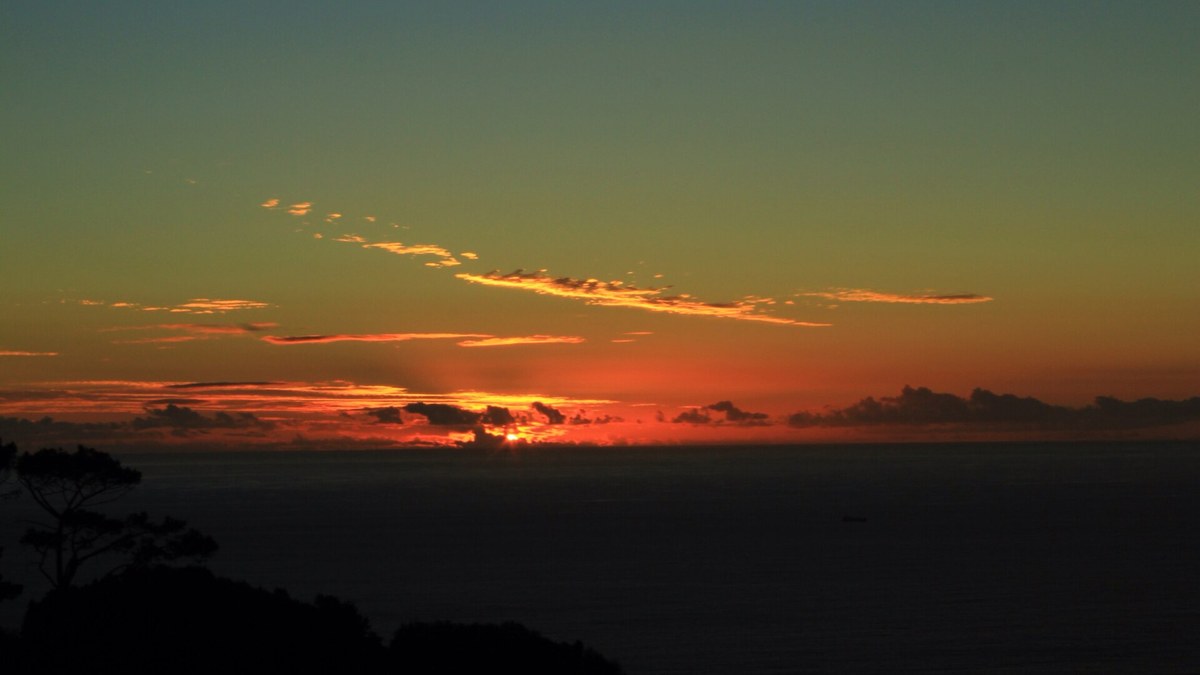
| Summer (Dec - Feb) | 16°C / 28°C | Dry, sunny; periodic strong southeasterly winds | Peak beach season, Kirstenbosch concerts, long daylight (sunset after 20:00) |
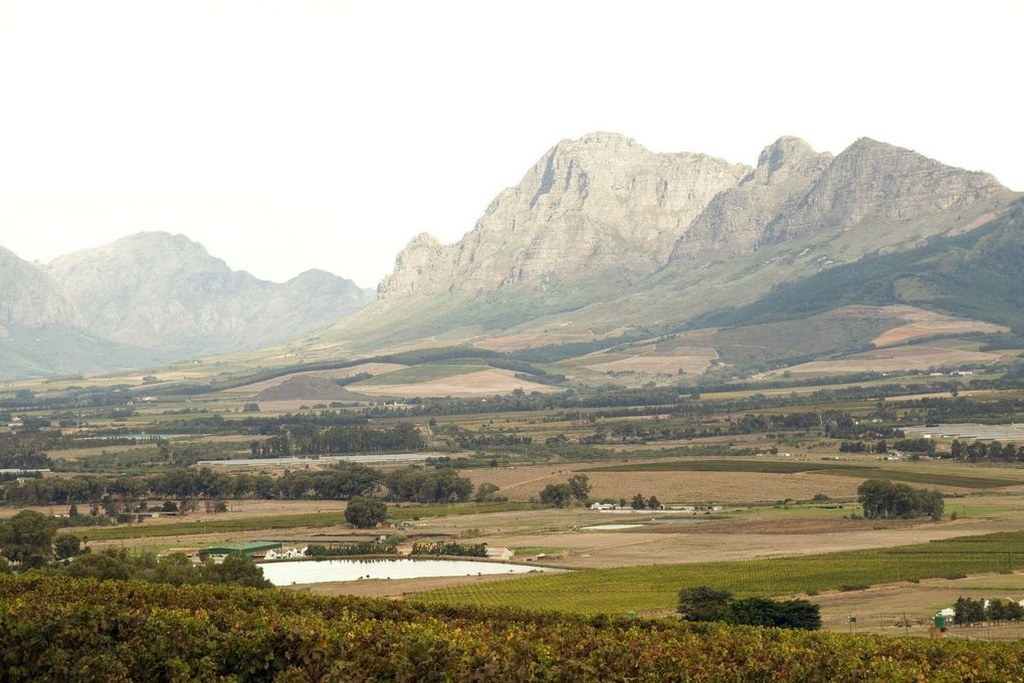
| Autumn (Mar - May) | 12°C / 24°C | Calm, golden light; lowest seasonal wind speeds | Wine harvest in Stellenbosch/Franschhoek, ideal hiking, pleasant ocean swims |
| Winter (Jun - Aug) | 8°C / 18°C | Periodic cold fronts, green mountain landscapes | Southern right whale watching, cozy fireplace dining, quiet tourist sights |
| Spring (Sep - Nov) | 12°C / 23°C | Mild, lengthening days; occasional passing showers | West Coast wildflower carpets, whale calving in Hermanus, active wildlife |
Orographic cloud formations rolling over the Table Mountain plateau during summer southeasterly winds.
The Cape Doctor: Southeasterly Winds and Tablecloth Clouds
The dominant weather feature of Cape Town's summer is the southeasterly wind, affectionately named the "Cape Doctor" by 19th-century settlers who believed its blustery force blew urban smog and airborne illnesses out to sea. The wind originates from a high-pressure South Atlantic weather cell, blowing moisture from False Bay up the southern slopes of Table Mountain:
- Tablecloth Formation: When moist air ascends the mountain and cools at the summit plateau, water vapor condenses into dense, white orographic clouds. These clouds cascade down the northern cliffs before evaporating into warmer air above the City Bowl, creating the famous "Tablecloth" illusion.
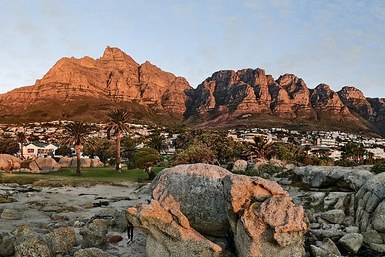
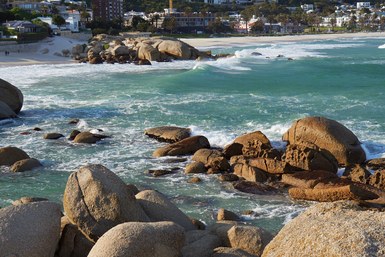
- Sheltered Beach Havens: While Camps Bay is exposed to the full force of the southeasterly wind, Clifton's four coves (just 3 minutes north) are naturally sheltered behind steep granite headlands. When Camps Bay is windy, Clifton remains calm and sunny.
- Cableway Impact: Wind speeds exceeding 35 km/h at the summit trigger precautionary closures of the Table Mountain Aerial Cableway. Monitor real-time status online during windy summer mornings.
Peninsula Microclimates: Atlantic Seaboard vs City Bowl vs Constantia
Due to the complex topography of Table Mountain, Cape Town features pronounced microclimates across remarkably short distances:
- Atlantic Seaboard (Camps Bay, Clifton, Bantry Bay): Tempered directly by the cold Benguela ocean current. Summer temperatures stay refreshingly moderate, rarely exceeding 30°C. Winter frosts are completely unknown due to maritime air.
- City Bowl and CBD: Sheltered inside a natural amphitheatre formed by Table Mountain, Lion's Head, and Devil's Peak. Temperatures are typically 2°C to 4°C warmer than the Atlantic coast, with lower wind speeds during moderate breezes.
- Constantia Valley and Newlands: Located on the eastern windward slopes of Table Mountain, Newlands receives over 1,400 mm of annual rainfall (nearly triple that of the city centre), supporting lush green Afromontane forests and historic vineyard estates.
- False Bay (Muizenberg, Simon's Town): Influenced by warmer currents from the Indian Ocean, featuring higher water temperatures and distinct coastal breezes.
Warm, sun-drenched vineyard valleys in autumn, showcasing the agricultural microclimates of the Cape.
Seasonal Activity Calendar: Matching Pursuits to Weather
Aligning vacation activities with seasonal weather patterns maximizes comfort and enjoyment:
- Kitesurfing and Windsurfing (November to February): Consistent 20 to 30-knot southeasterlies draw international wind sport enthusiasts to Bloubergstrand, Big Bay, and Sunset Beach.
- Mountain Hiking and Rock Climbing (March to May): Autumn brings stable atmospheric conditions, crystal-clear visibility, reduced midday heat, and negligible wind, making it the finest window for climbing Lion's Head, Platteklip Gorge, or Kasteelspoort.
- Culinary and Wine Touring (June to August): Winter rain transforms the Cape into emerald green hills. Wineries throughout Stellenbosch, Franschhoek, and Constantia light roaring wood fireplaces and host seasonal cellar tastings and comfort-food gastronomy.
- Botanical and Marine Safaris (August to October): Early spring delivers millions of blooming wildflowers to the West Coast National Park, while thousands of southern right whales nurse newborn calves in the coastal bays of Hermanus and False Bay.
Clothing and Packing Strategy for Four Seasons in One Day
Capetonians frequently observe that you can experience four distinct seasons in a single twenty-four-hour period. Planning your wardrobe effectively involves versatile layering:
- High-SPF Sun Protection: High UV indices exceeding 11 occur daily from November to March. Broad-spectrum SPF 50 sunscreen, UV-blocking sunglasses, and wide-brimmed hats are essential.
- Light Windbreaker or Softshell Jacket: Indispensable for sunset dinners on Victoria Road, coastal walks, and open-top boat cruises when evening ocean breezes drop temperatures quickly.
- Warm Mountain Layer: If hiking or ascending Table Mountain, temperatures on the summit are consistently 6°C to 10°C colder than at sea level, with strong windchill. Always pack a fleece or warm outer shell in your daypack.
- Comfortable Walking Shoes: Paved boardwalks, cobblestone historic streets, and rocky granite footpaths require supportive footwear with reliable rubber grip.
Winds and local weather differences
Meteorological analyses from the South African Weather Service explain how Cape Town's dramatic mountain barrier generates localized microclimates. When moisture-laden southeasterly ocean winds strike the 1,000-metre vertical precipice of Table Mountain, rapid Orographic Lift cools the air mass to its dew point. Condensation forms the billowing white tablecloth cloud layer that spills over the northern edge while leaving Camps Bay and Clifton warm and clear in the mountain's wind shadow.
In contrast to summer wind patterns, winter and early spring occasionally bring warm offshore Berg Wind events. These dry air masses descend from the high-altitude Karoo interior plateau, undergoing compressive heating that can push coastal temperatures above 28°C for twenty-four to forty-eight hours even in mid-winter. Across False Bay, the influence of the warmer Agulhas Current moderates winter coastal chill, coinciding with peak winter Whale Season between June and November, when Southern Right Whales congregate in sheltered bays, and the spring blooming of thousands of indigenous Fynbos varieties across the mountain nature reserve.
Make the final choice on the day
Seasonal averages help you choose when to travel, but they cannot settle a particular beach or mountain plan. Look at the wind and cloud forecast for the exact coast or summit you will use. Atlantic water can feel much colder than the air; False Bay is often a better choice when a longer swim matters more than the Atlantic setting.
On a windy summer day, compare a sheltered beach with an indoor museum or garden visit. In winter, keep a flexible slot around passing rain rather than treating the entire season as unusable. For Table Mountain, check cableway operations as well as the weather. A light wind layer, sun protection and a rain option let you adapt when conditions change between the coast, city and mountain.