
Choose Cape Town's cultural stops by subject and location: Robben Island and District Six focus on South Africa's history, while Bo-Kaap, the Castle and the city's museums and galleries offer different perspectives. Check ferry availability and opening hours before setting out.
Cultural Planning Snapshot
Primary Museum Hub: Company's Garden and East City precinct in Cape Town CBD.
National Museum Group: Iziko Museums of South Africa (11 national museums across the city).
Public Holidays: Many state museums offer free admission on Human Rights Day (21 March), Freedom Day (27 April), and Heritage Day (24 September).
Average Admission: R50 to R120 for municipal and Iziko museums; R250 to R400 for major private institutions.
Robben Island: The Symbol of Resistance and Triumph
Located 6.9 kilometres offshore in Table Bay, Robben Island served as a place of banishment, quarantine leper colony, and high-security political prison for nearly 400 years. Its most famous prisoner, Nelson Rolihlahla Mandela, was incarcerated here in Maximum Security Section B from 1964 until 1982.
Today designated a UNESCO World Heritage Site, the island offers deeply personal Day Trips & Tours conducted by former political prisoners. A standard tour encompasses:
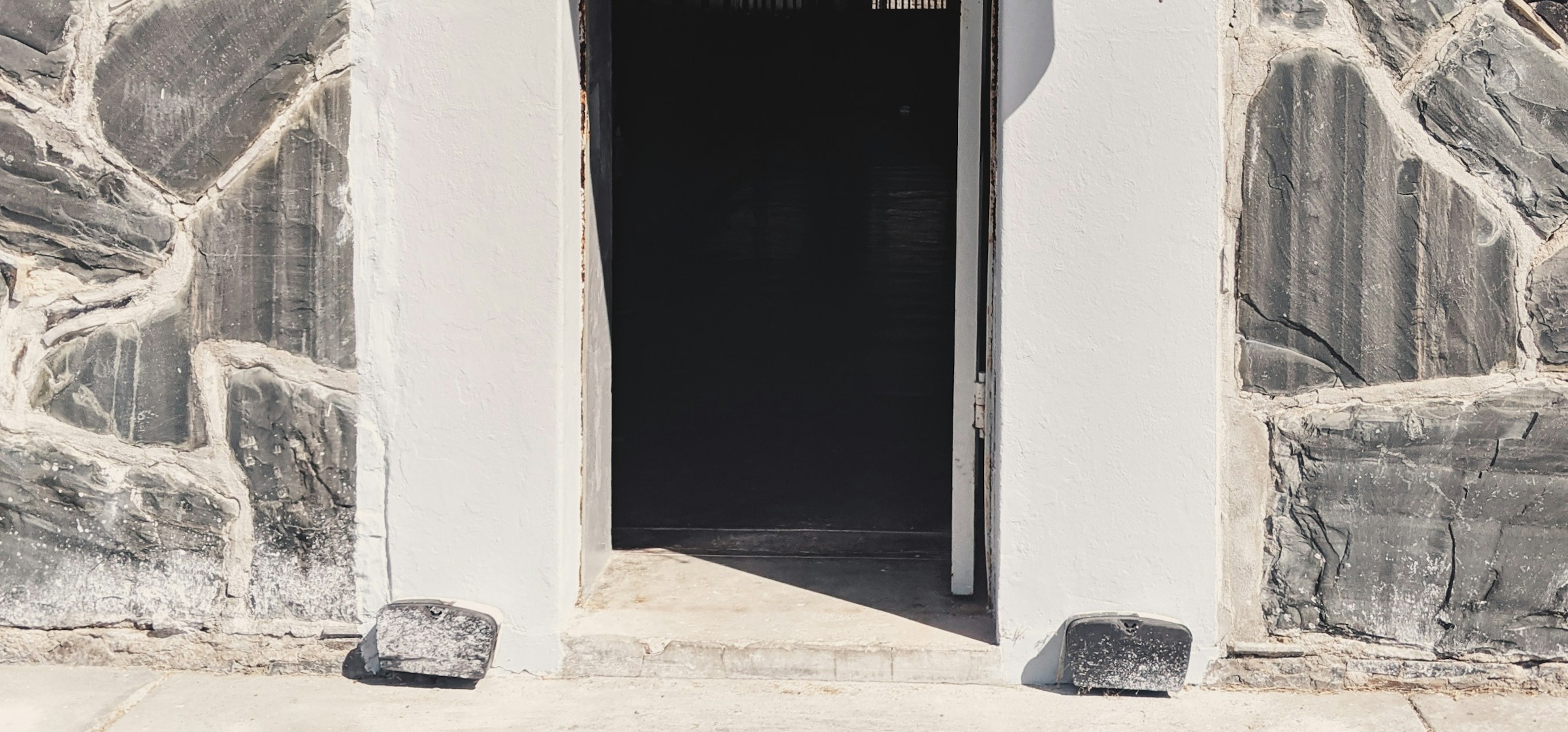
- The Prison Yard and Mandela's Cell: Visitors walk through the communal barracks and peer inside Cell 5, the tiny 2x2 metre concrete room where Mandela slept on a straw mat and drafted his memoirs.
- The Lime Quarry: The excavation site where political prisoners performed arduous daily manual labor in glaring reflective dust, damaging their eyesight while secretly conducting political seminars that transformed the quarry into an informal university.
- The Bluestone Quarry and Island Circuit: A bus tour visits Robert Sobukwe's former isolation house, World War II coastal artillery fortifications, and the Muslim kramat shrine of Tuan Guru.
Colonial and historic civic architecture in central Cape Town near the Company's Garden.
District Six Museum: Memory, Community and Forced Removals
Located on Buitenkant Street in the East City, the District Six Museum memorializes the inner-city community destroyed by the apartheid regime under the Group Areas Act. Beginning in 1966, District Six was declared a "whites-only" zone, resulting in the forced eviction of over 60,000 residents and the bulldozing of their homes, schools, and social venues.
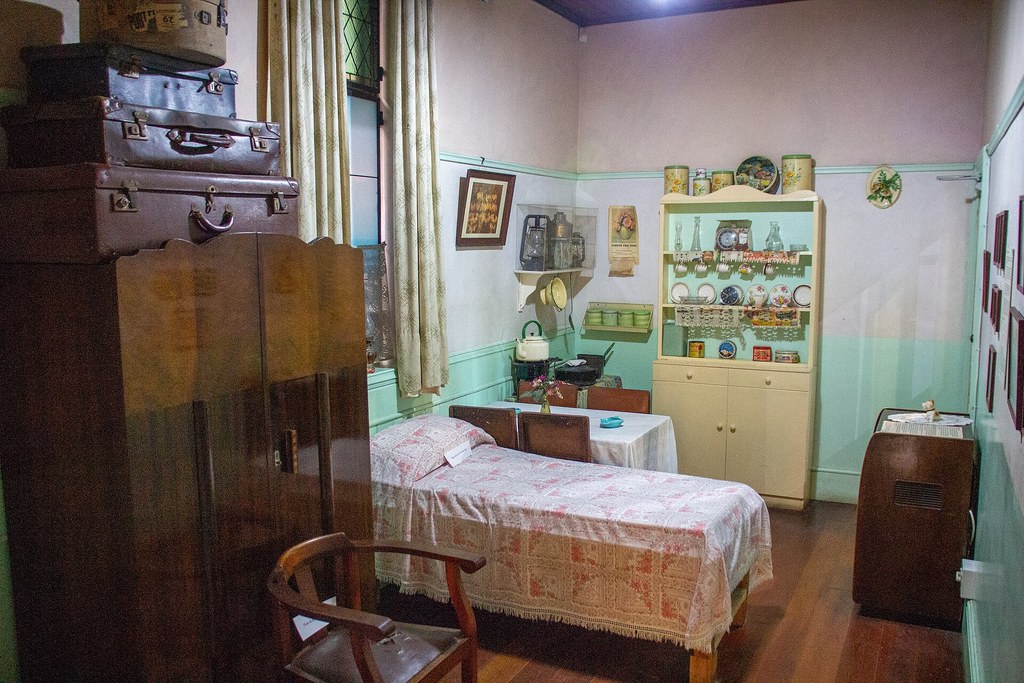
Housed inside a historic Methodist church, the museum features a large floor map where former residents have marked the locations of their demolished homes, alongside preserved enamel street signs, personal photograph albums, and recordings of oral testimonies. Site tours conducted by former residents provide firsthand narratives of resilience and social rebuilding.
Iziko Museums: Natural History, Art and Colonial Archives
Iziko Museums operates 11 national heritage sites centered around the leafy pathways of the Company's Garden:
| Institution | Location | Focus Areas | Recommended Time |
|---|---|---|---|
| Slave Lodge | Corner Adderley and Wale St | History of enslaved peoples in the Dutch Cape colony | 1.5 to 2 hours |
| South African Museum | Upper Company's Garden | Karoo fossils, marine biology, indigenous archaeology | 2 hours |
| National Gallery | Government Avenue | Historical and contemporary South African fine art | 1.5 hours |
| Bo-Kaap Museum | 71 Wale Street, Bo-Kaap | Cape Malay cultural history, artisan crafts, Islam | 1 hour |
| Koopmans-de Wet House | 35 Strand Street | 18th-century Cape Dutch town house and decorative arts | 1 hour |
The Slave Lodge occupies one of Cape Town's oldest surviving buildings, erected by the Dutch East India Company (VOC) in 1679 to house thousands of enslaved men, women, and children brought from Madagascar, Mozambique, India, and Indonesia. Exhibits examine the cultural, culinary, and linguistic contributions of enslaved people who laid the foundations of Cape cuisine, Afrikaans vocabulary, and architectural heritage.
Contemporary art installations and gallery halls celebrating South African creative expressions.
Bo-Kaap: Cape Malay Architecture and Culinary Traditions
Spreading across the lower slopes of Signal Hill above the CBD, the Bo-Kaap (formerly known as the Malay Quarter) is famous for its steep cobblestone streets lined with brightly painted pastel and cheerful houses, dating from the late 18th century.
- Auwal Mosque: Established in 1794 on Dorp Street, it is the oldest mosque in South Africa, housing a handwritten Quran transcribed from memory by Indonesian prince Tuan Guru while imprisoned on Robben Island.
- Cape Malay Cooking Workshops: Local community matriarchs host interactive morning workshops in historic family homes, teaching visitors how to fold samosas, grind traditional masala spices, and cook Cape Malay chicken curries and koesisters.
- Architectural Respect: Visitors are warmly welcomed throughout the neighborhood. When walking the streets, dress modestly and respect local residents' privacy by not blocking doorways or filming private residences without permission.
Castle of Good Hope: South Africa's Oldest Surviving Colonial Fortress
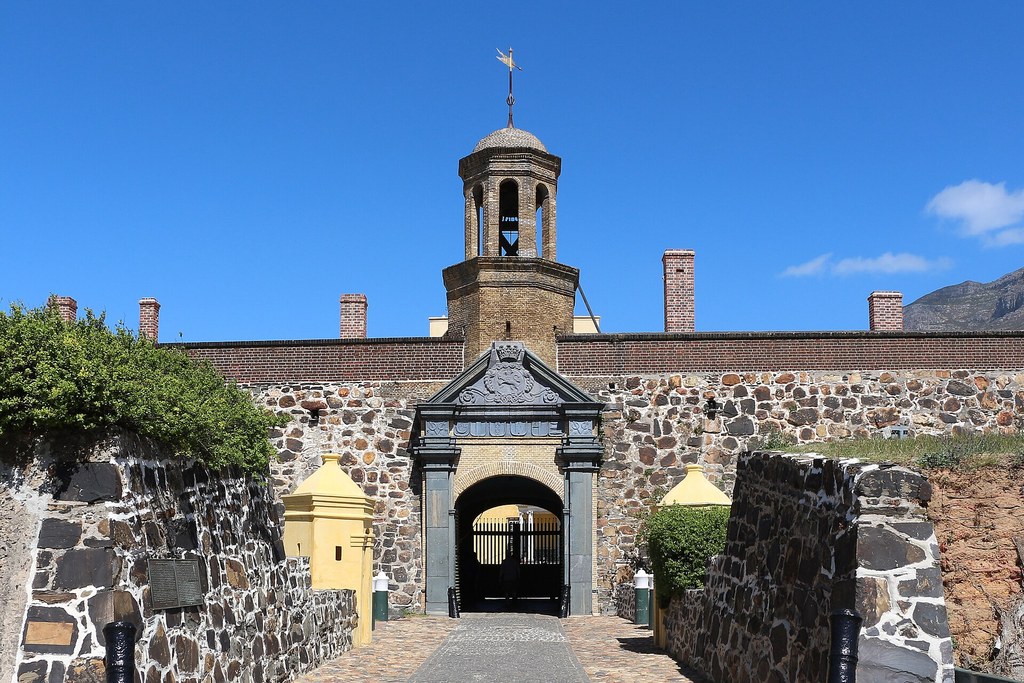
Constructed between 1666 and 1679 by the Dutch East India Company, the Castle of Good Hope is the oldest surviving colonial building in South Africa. The pentagonal stone fortress served as the military headquarters, governor's residence, and prison for early European administration. Today, it houses the William Fehr Collection of historical paintings and Cape furniture, the Military Museum, and the daily Key Ceremony and cannon-firing demonstrations.
Additional Cultural Landmarks: Jewish Museum and Tutu Legacy
Visitors exploring the city centre can discover several specialised institutions within walking distance of Company's Garden:
- South African Jewish Museum: Situated on Hatfield Street, this museum chronicles the community's history from early immigration through the anti-apartheid movement, including an interactive recreation of an Eastern European shtetl village and a subterranean gallery designed by architect Sherratt.
- Cape Town Holocaust and Genocide Centre: Located on the same campus, offering permanent exhibitions exploring the historical lessons of the Holocaust, the 1994 genocide against the Tutsi in Rwanda, and human rights advocacy.
- The Old Granary and Archbishop Tutu Legacy Foundation: Situated on Buitenkant Street, this restored 1814 public building displays permanent photographic and personal archives of Archbishop Desmond Tutu's peaceful crusade for racial justice and national reconciliation.
The National Gallery, Tana Baru and contemporary art
Within the leafy grounds of the Company's Garden, the Iziko South African National Gallery curates the country's premier public visual arts archive. Established in 1871, the gallery's neoclassical exhibition halls display Dutch, Flemish, and British colonial oil paintings alongside seminal contemporary African sculpture, traditional beadwork, and modern indigenous textiles. Curated temporary exhibitions highlight resistance art from the apartheid era, providing visitors with essential social perspective before touring city heritage monuments.
High above the cobblestone lanes of Bo-Kaap on the lower slopes of Signal Hill lies Tana Baru, the earliest recognized Muslim cemetery in South Africa. Granted in 1805 after the Batavian administration established freedom of religious worship, this sacred ground contains the shrines (kramats) of founding Islamic spiritual scholars, including Tuan Guru (Imam Abdullah Kadi Abdus Salaam), an exiled Indonesian prince who transcribed the complete Quran from memory while incarcerated on Robben Island. The peaceful hilltop cemetery stands as an enduring monument to spiritual resilience and community heritage.
Cape Town's visual arts landscape spans from historical city collections to internationally acclaimed contemporary galleries. In the Silo District of the V&A Waterfront, Zeitz MOCAA occupies nine levels of repurposed concrete grain silos, exhibiting monumental contemporary works by African artists and the diaspora. In the southern suburb of Steenberg, the Norval Foundation integrates fine art exhibitions with environmental conservation. Set amidst indigenous wetland gardens overlooking the Constantia wine hills, the venue presents outdoor sculpture parks, specialized conservation archives, and culinary dining overlooking the mountains.
Frequently Asked Questions
How far in advance should I book tickets for Robben Island?
Robben Island tickets sell out days or even weeks in advance during high season (November through March). Booking online at least two to three weeks prior to your trip is strongly advised.
Is photography allowed in the Bo-Kaap neighborhood?
Photography of the colorful street facades and public architecture is permitted and popular. Visitors should respect residential privacy and ask permission before photographing local individuals.
Are Cape Town museums open on weekends and public holidays?
Most Iziko museums and the District Six Museum are open seven days a week, typically from 09:00 to 17:00, with reduced hours or closures on Christmas Day and New Year's Day.
What is the easiest way to reach the museums from Camps Bay?
Taking an Uber from Camps Bay directly into the Company's Garden or District Six takes approximately 12 to 15 minutes. Alternatively, MyCiTi bus Route 107 links Camps Bay directly with the city centre.