
Before you arrive, check how you will pay, connect your phone and charge your devices. This guide covers cash and cards, SIM or eSIM choices, plug adapters and the fees or coverage details to confirm with your bank and mobile provider.
Set up the essentials before arrival
- PaymentsThe currency is the South African Rand (ZAR). Cards are widely used, but confirm foreign transaction and cash-withdrawal fees with your bank.
- Small expensesKeep a little cash for situations such as tips or small vendors. Restaurants commonly use a 10-15% tip as a guide.
- Mobile dataCompare an eSIM with a local SIM using your phone's compatibility, data needs and the provider's coverage map. Vodacom and MTN are discussed below.
- ChargingCheck that your travel adapter includes the large three-pin Type M plug used in South Africa; the supply is 230V, 50Hz.
South African Currency and Cashless Payment Culture
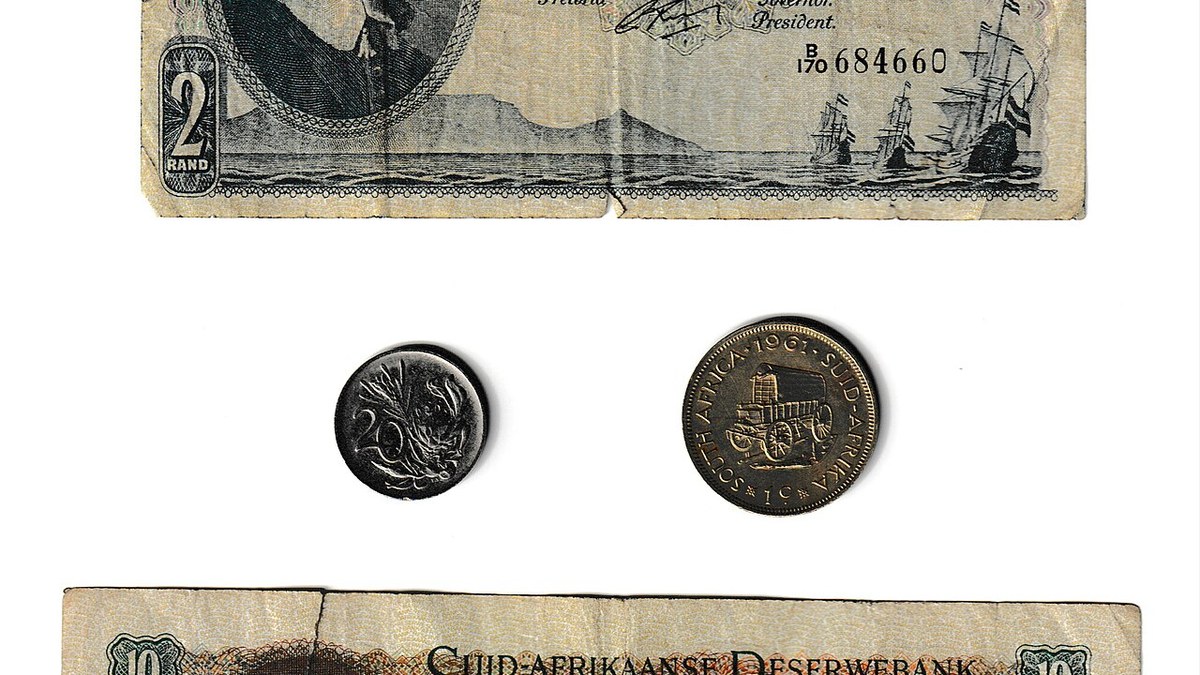
South African Rand banknotes feature iconic imagery of Nelson Mandela on the front and the country's Big Five wildlife species (elephant, rhino, lion, buffalo, leopard) on the reverse, issued in denominations of R10, R20, R50, R100, and R200:
| Payment Method | Acceptance Level | Best Used For | Important Considerations |
|---|---|---|---|
| Credit / Debit Cards | Universal (95%+) | Hotels, restaurants, supermarkets, wine estates, car rental | Visa and Mastercard widely accepted; American Express less common |
| Contactless / Apple Pay | Very High (90%+) | Cafes, boutique shops, grocery stores, fast food | Supports foreign card payment without international surcharge from merchants |
| Cash (ZAR) | Moderate | Tipping car guards, small craft markets, roadside fruit stalls | Keep small denominations (R10, R20, R50); avoid carrying R200 notes |
| Foreign Currency | Not Accepted | Must be converted to ZAR at authorized forex bureaus | US Dollars and Euros cannot be spent directly in local stores |
Because contactless card terminals are universal throughout Cape Town, carrying large sums of cash is unnecessary and discouraged for security reasons. When paying at restaurants, mobile card terminals are brought directly to your table, ensuring your credit card never leaves your sight.
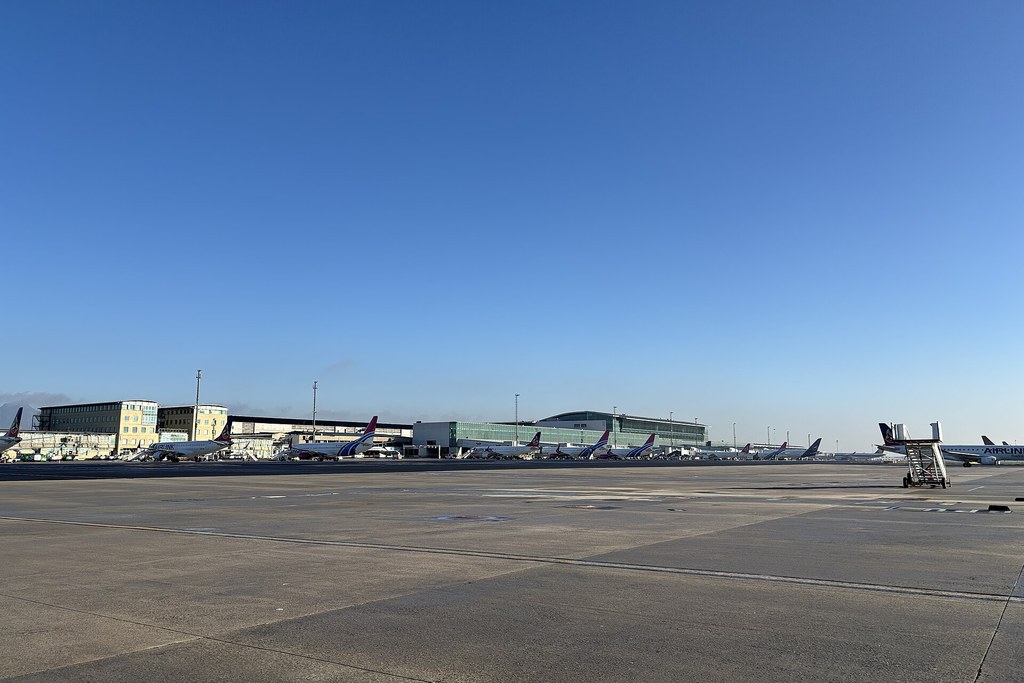
Shopping precincts and urban retailers in Cape Town operate with fully integrated digital payment systems.
Tipping Etiquette and Practical Service Gratuities
Tipping is an integral part of South Africa's service economy, where hospitality workers often depend on gratuities as a primary component of their earnings:
- Restaurants and Cafes: The standard gratuity is 10% to 15% of the total food and beverage bill for satisfactory table service. You can instruct the waiter to add the tip amount directly to the card terminal before tapping your card, or leave cash on the table.
- Car Parking Marshals and Guards: It is customary to tip informal parking attendants or car guards 5 to 10 ZAR in cash when returning to your vehicle, especially if they helped direct you into a bay or watched the car while you dined.
- Hotel Porters and Housekeeping: Tipping hotel porters 10 to 20 ZAR per bag is standard. For housekeeping staff, leaving 20 to 50 ZAR per day in your room at the end of your stay is appreciated.
- Petrol Station Attendants: In South Africa, you do not pump your own fuel. Uniformed attendants pump petrol, clean windscreens, and offer to check tire pressure and oil. A tip of 5 to 10 ZAR in cash is standard etiquette.
- Tour Leaders and Private Drivers: For full-day private tour leaders, gratuities of 150 to 300 ZAR per day (from a group or couple) are standard for informative, professional service.
Mobile Connectivity: Travel eSIMs vs Local Physical SIM Cards
Staying connected with high-speed 4G and 5G internet across the Cape Peninsula is simple with modern telecommunications:
- Travel eSIMs (Airalo, Maya Mobile, Holafly): For unlocked modern smartphones supporting eSIM, purchasing a South African digital data package online prior to arrival is the fastest, most convenient solution. Data connects automatically upon landing at Cape Town Airport without registration delays.
- Local Physical SIM Cards (Vodacom and MTN): Vodacom and MTN operate the most extensive, high-speed cellular networks in the Western Cape. Official carrier retail stores are located directly in Cape Town Airport's arrivals hall, Victoria Wharf at the Waterfront, and throughout the CBD.
- RICA Legal Registration: Under South African telecommunications law (the RICA Act), purchasing a local physical SIM card requires identity verification. You must present your original passport and proof of temporary accommodation (such as your Place on the Bay hotel booking confirmation). Registration takes approximately 10 minutes in-store.
- Wi-Fi Infrastructure: Place on the Bay provides complimentary high-speed wireless internet throughout all guest rooms, suites, and common areas. Most cafes and restaurants along Victoria Road also offer free customer Wi-Fi.
High-speed cellular 4G and 5G coverage extends seamlessly across Cape Town's coastal and urban corridors.
Electricity, Power Plugs and Backup Generators
Electrical standards in South Africa require appropriate adapter plugs for international electronic devices:
- Voltage and Frequency: Standard electrical voltage in South Africa is 230 volts AC at 50Hz. Most modern smartphones, laptops, camera chargers, and tablets operate on dual-voltage (100V-240V) power supplies and require only a physical plug adapter.
- Unique Type M Plugs: South Africa predominantly uses the distinctive Type M plug, characterized by three large circular metal pins arranged in a triangle. Standard European 2-pin plugs (Type C) will not fit Type M wall sockets without an adapter, although newer buildings feature hybrid Type C / Type N sockets.
- Adapters at Place on the Bay: Multi-plug universal adapters and USB charging ports are available for guest convenience in rooms and at the front reception desk.
- Load Shedding Resilience: Like all South African municipalities, Cape Town experiences scheduled national electrical grid management rotations (locally known as "load shedding"). Place on the Bay is equipped with automatic backup power generators and emergency lighting systems, ensuring continuous comfort, Wi-Fi connectivity, and refrigeration during any grid interruptions.
Currency, VAT refunds and mobile payments
South Africa's national currency is the South African Rand (ZAR), minted and issued by the South African Reserve Bank (SARB). Commercial prices throughout South Africa include a statutory 15% Value-Added Tax (VAT). International tourists purchasing goods such as jewellery, artwork, leather goods, or electronics to take home can claim a Tax Refund upon departure. Before checking baggage at Cape Town International Airport, travelers present their tax invoices, physical goods, and passport at the VAT Refund Administrator office in the international departures terminal to receive refunds onto a preloaded credit card.
While contactless Visa and Mastercard payments are ubiquitous across Cape Town, mobile QR payments have become standard practice at artisan weekend markets, food stalls, and cafes. Local smartphone apps including SnapScan and Zapper allow users to link international payment cards and pay by scanning a merchant QR code without handing over cards. For travelers purchasing physical SIM cards under the Regulation of Interception of Communications Act, alternative mobile networks including Telkom and Cell C offer budget prepaid bundles alongside market leaders Vodacom and MTN, with kiosks operating inside the international arrivals hall.
Keep a payment and connection backup
Set up a primary card and a second way to pay before travelling. Contactless payments are common, yet a small amount of rand can help with tips and places that do not take cards. Ask your home bank about exchange-rate margins, foreign transaction charges and ATM fees; the amount a merchant displays does not tell you the full cost of a payment.
Check eSIM compatibility before buying a plan. If you choose a local physical SIM, take the identity documents the provider requires and check coverage for the places you intend to visit, including mountain routes. Pack a Type M adapter rather than assuming an international plug kit includes it. Confirm that your devices accept the local 230V supply before plugging them in.