
The useful precautions depend on what you are doing: walking around town, parking, using an ATM, hiking or swimming each carries different considerations. This guide focuses on those situations and practical steps visitors can take.
Basic Safety Precautions
Camps Bay Safety Profile: Monitored by Camps Bay Community Improvement District (CID), private security vehicles, and municipal beach law enforcement.
Atmospheric Precaution: Avoid walking alone through unlit streets or deserted urban areas after dark.
Transport Rule: Use verified ride-hailing services (Uber, Bolt) for door-to-door nighttime journeys.
Mountain Safety: Never hike Table Mountain trails alone; always hike in groups of two or more during daylight hours.
Understanding Cape Town's Urban Geography and Safety Zones
Cape Town's safety landscape varies considerably across different geographic precincts:
| Precinct / Area | Safety Level | Security Infrastructure | Visitor Best Practices |
|---|---|---|---|
| Camps Bay & Clifton | High | Dedicated 24/7 CID security vehicles, beachfront CCTV, regular patrols | Extremely safe for daytime beach walking and evening promenade dining |
| V&A Waterfront | Very High | Private estate security, strict access control, comprehensive surveillance | Safe for walking and shopping throughout the day and late evening |
| City Bowl & Bree Street | Moderate to High | Central City Improvement District (CCID) safety officers on foot | Stay on well-lit main streets; take Uber after midnight |
| Table Mountain Trails | Moderate | SANParks rangers, volunteer mountain safety patrols | Hike in groups, carry a mobile phone, finish before sunset |
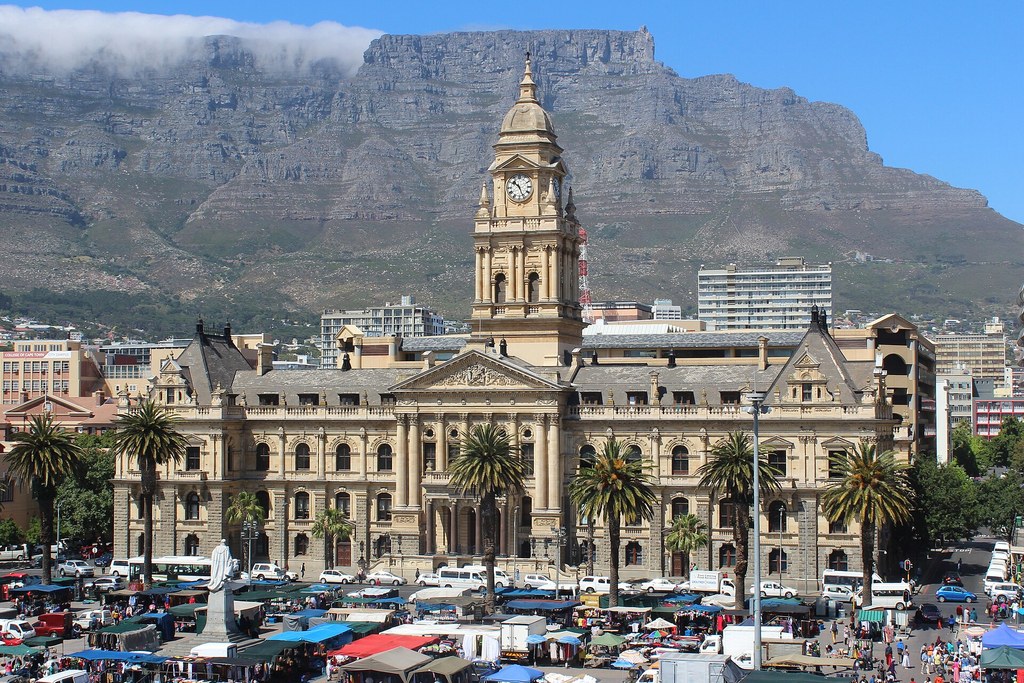
Peaceful beachfront promenade along Victoria Road in Camps Bay, actively monitored by security patrols.
ATM Safety and Electronic Payment Precautions
Card skimming and opportunistic distraction scams near street-side cash machines are among the most common tourist nuisances. Adhering to simple banking rules completely eliminates this risk:
- Use Indoor ATMs Only: Withdraw cash from automated teller machines located inside secure shopping malls (such as the Promenade centre in Camps Bay or Victoria Wharf at the Waterfront) or bank branches. Never use standalone, isolated ATMs on street corners.
- Decline Unsolicited Assistance: If anyone approaches you while at an ATM offering "help", claiming the machine requires a fee, or advising you to re-insert your card, cancel your transaction immediately, take your card, and walk away. Friendly scammers rely on distraction to swap cards.
- Tap-and-Go Cashless Payments: Cape Town is virtually a cashless destination. Contactless credit and debit cards, Apple Pay, and Google Pay are accepted universally at restaurants, supermarkets, wine estates, and taxis, minimizing the need to carry significant cash.
- Cover Your PIN: Always shield the keypad with your free hand when entering your four-digit PIN at any payment terminal or cash machine.
Table Mountain and Hiking Trail Security Protocols
Table Mountain National Park is an expansive natural wilderness surrounding the urban bowl. Safe mountain exploration requires sensible preparation:
- The Group Rule: Always hike in groups of two or more individuals. Solo hiking on isolated ravines or quiet mountain trails is strongly discouraged by SANParks and mountain safety organizations.
- Daylight Timetable: Plan your ascents and descents to finish well before sunset. Mountain darkness falls rapidly, making rocky pathways hazardous. If ascending Lion's Head for sunset, carry a dedicated headlamp with fresh batteries.
- Weather Preparedness: Check mountain weather forecasts before setting out. Sudden cloud cover (the Tablecloth) drops summit temperatures by 10°C within minutes and eliminates visual landmarks. Carry a warm windbreaker jacket and a minimum of 1.5 litres of water per person.
- Wilderness Search and Rescue (WSAR): In the event of injury, disorientation, or emergency on the mountain, stay calm, remain on the marked trail, and notify emergency authorities through hotel reception or official park security contacts.
Group of hikers equipped with proper gear traversing designated mountain trails on Table Mountain.
Vehicle Safety and "Nothing in Sight" Discipline
Motorists exploring Cape Town and the Cape Peninsula should observe standard vehicle safety practices:
- The "Nothing in Sight" Golden Rule: Never leave loose items visible inside a parked vehicle. Laptops, backpacks, shopping bags, cameras, jackets, and even loose coins can tempt opportunistic smash-and-grab break-ins. Store all belongings inside the locked boot before arriving at your destination.
- Secure Parking: Park in designated parking bays with official high-visibility municipal marshals or choose paid undercover garages with boom gates at commercial complexes.
- Window Safety at Traffic Intersections: When stopping at traffic lights in central urban districts, keep windows rolled up and doors locked automatically. Keep handbags, smartphones, and wallets on the vehicle floor rather than on the passenger seat.
Emergency Assistance and Visitor Support Infrastructure
Cape Town operates specialized tourist support services to assist visitors in any unforeseen situation:
- Cape Town Tourism Band-Aid Programme: A dedicated, world-class visitor support service providing compassionate assistance, legal liaison, emergency consular connections, replacement travel documentation, and trauma counseling for international travellers.
- National Sea Rescue Institute (NSRI): Highly trained volunteer sea rescue crews operating rapid-response lifeboats along the Atlantic Seaboard and False Bay. Station 2 is situated directly nearby at Bakoven.
- Private Medical Infrastructure: Cape Town boasts exceptional private hospitals and trauma clinics equipped with world-class medical facilities, including Netcare Christiaan Barnard Memorial Hospital on the Foreshore and Mediclinic Cape Town in Oranjezicht. Comprehensive travel health insurance is strongly advised.
Tourism monitors, vehicle security and beach warnings
Across popular urban hiking routes and sightseeing lookouts, the Department of Tourism and SANParks deploy uniformed Tourism Monitors who provide visitor assistance, trail directions, and security presence alongside the South African Police Service (SAPS) and municipal law enforcement. Hikers visiting Lion's Head, Signal Hill, or Platteklip Gorge can check in with monitors at trailhead kiosks before starting mountain climbs.
When parking rental vehicles at scenic coastal viewpoints or shopping centres, drivers should remain vigilant against electronic car jamming. Criminals occasionally use handheld signal transmitters known as Remote Jamming devices to disrupt key fob signals, preventing vehicle door locks from engaging. Drivers should always physically pull the door handle after locking to verify that the car is secure before walking away, while keeping all bags, sunglasses, and electronics out of sight in the trunk.
Along the coastline, Cape Town's certified Blue Flag beaches pair professional municipal lifeguards with the internationally acclaimed Shark Spotters safety programme. Operating along False Bay and Atlantic surf beaches, trained spotters observe coastal shallows from elevated mountain lookouts using polarized binoculars, communicating shark sightings via a four-flag warning system and siren alerts to ensure safe ocean recreation for swimmers and surfers.
Frequently Asked Questions
Is Camps Bay safe to walk around at night?
Yes, central Camps Bay along Victoria Road and the promenade is very safe in the evening due to active foot traffic, outdoor dining, and continuous private CID security patrols.
What should I do if someone offers to assist me at an ATM?
Politely but firmly decline any assistance. Cancel your transaction immediately, retrieve your card, and walk away. Only use ATMs located inside secure shopping centres or bank branches.
Is Cape Town safe for solo female travellers?
Many solo female travellers visit Cape Town every year. Standard precautions apply: use Uber for evening transit, join group tours for mountain hikes, and stay in reputable accommodations.
Are credit cards safe to use in restaurants and shops?
Yes, South African retailers and restaurants use modern chip-and-PIN and contactless payment terminals. Waiters bring mobile card machines directly to your table, ensuring your card never leaves your sight.